PFS-2: Choosing Between The Retrospective and Traditional
A brief describing the process to choose between utilizing a traditional pre-post administration versus a retrospective administration of the Protective Factors Survey, version 2.
A brief describing the process to choose between utilizing a traditional pre-post administration versus a retrospective administration of the Protective Factors Survey, version 2.
A brief providing guidance on how to prepare to utilize the Protective Factors Survey, version 2 in the field and supports on proper administration.
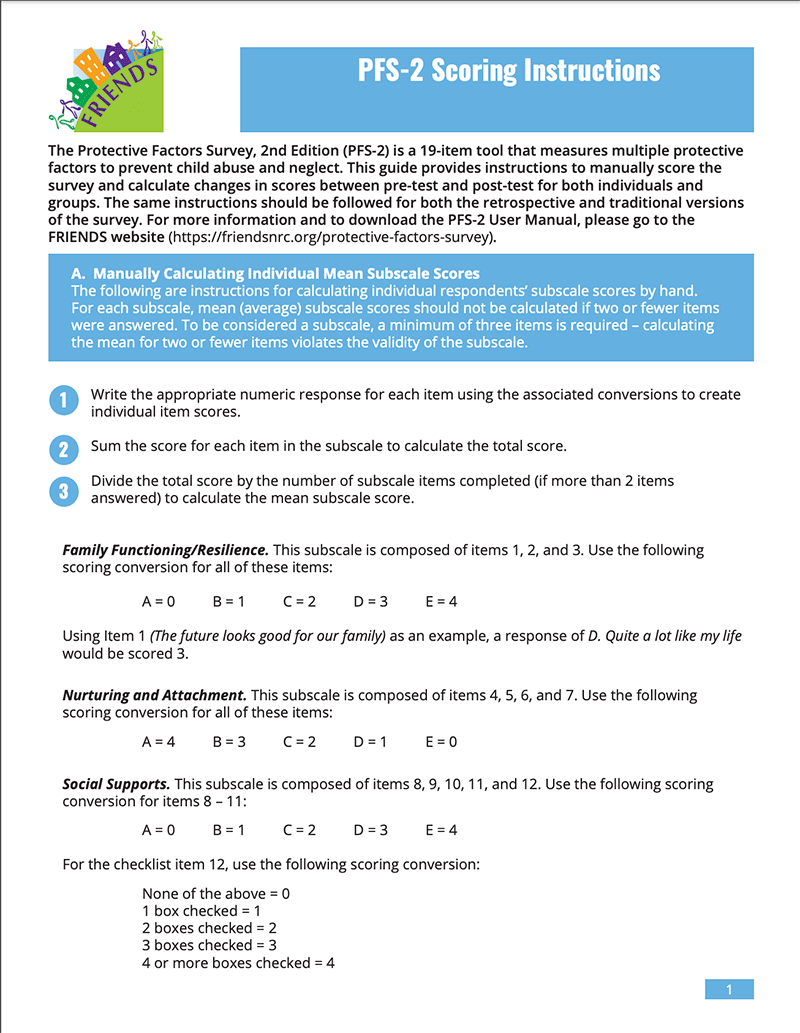
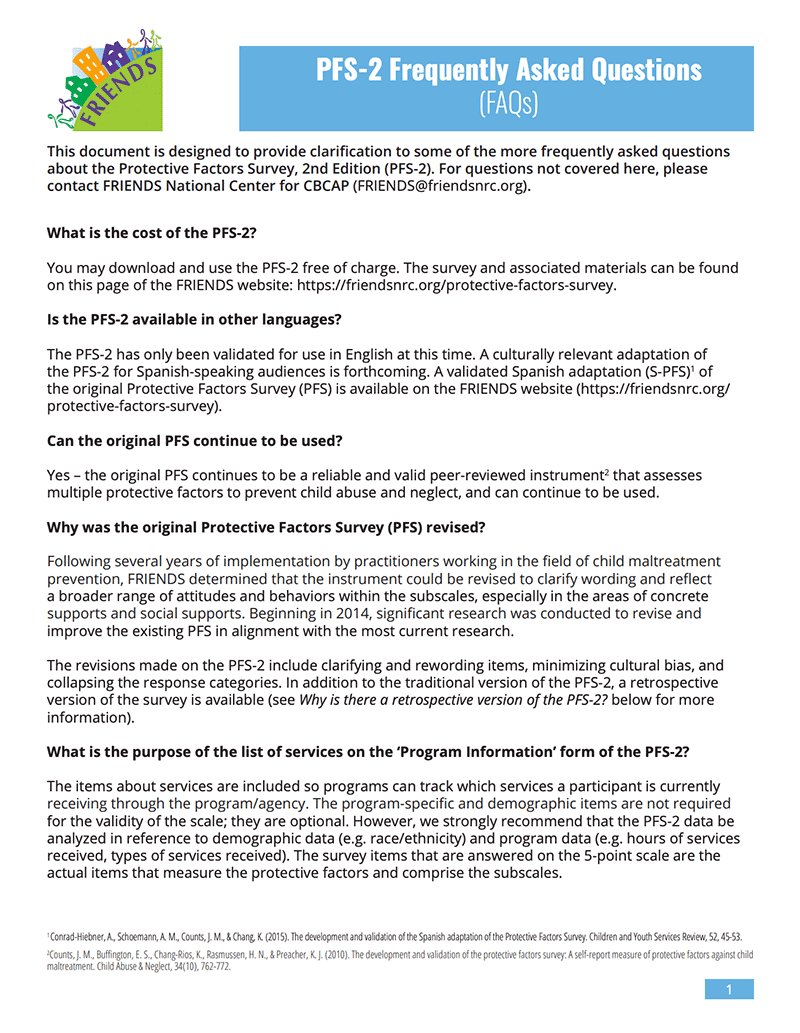
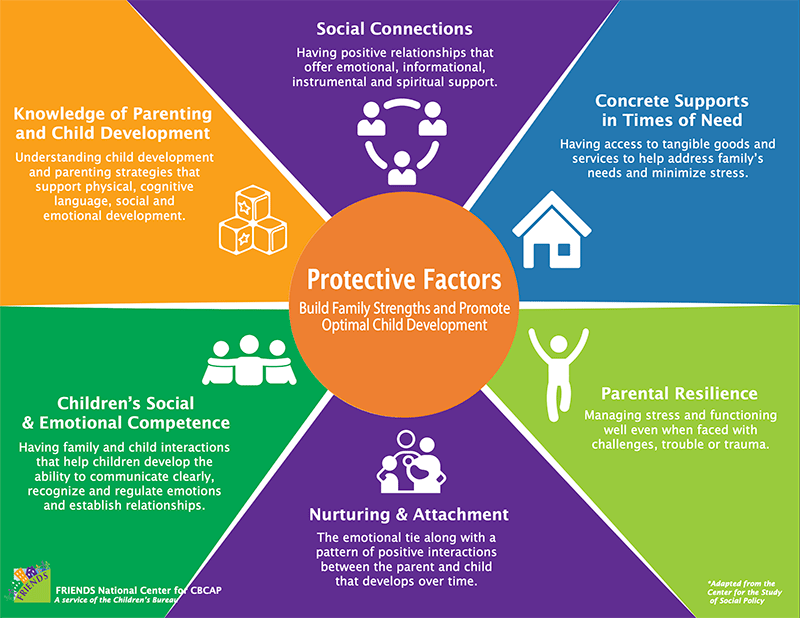
The PFS is a pre-post evaluation tool for use with caregivers receiving child maltreatment prevention services. It is a self-administered survey that measures protective factors
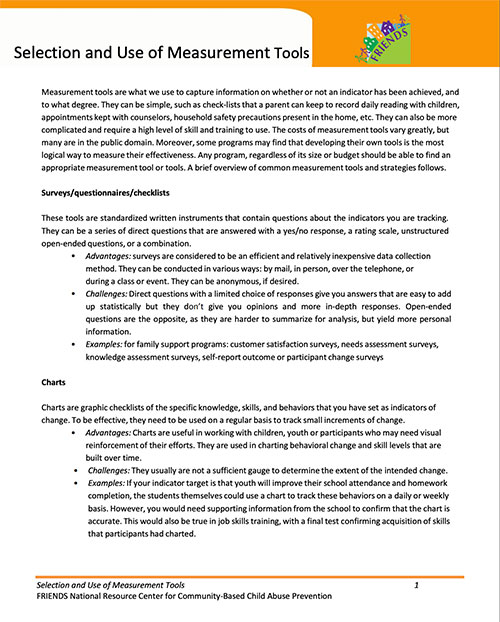
A brief on techniques to select and use various types of measurement tools.
In this month’s Peer Learning Call, the CBCAP Federal Project Officers discuss how to prepare for the CBCAP Annual Report due January, 2020. They are
This month’s Peer Learning Call features the Family and Youth Services Bureau’s Family Violence Prevention and Services Act (FVPSA) Program. Presenters discuss their work to
New evidence demonstrates that positive childhood experiences can prevent toxic stress and promote the resilience needed to overcome childhood trauma. This webinar explores the HOPE
Representatives from the Administration of Children and Families’ Office of Grants Management (OGM) provide an overview of their role and respond to frequently asked questions,
Presenters from the Kentucky CBCAP State Lead Agency and their Continuous Quality Improvement (CQI) Team provide an overview of the Peer Review Tools they’ve developed,
This month’s webinar focuses on valuable opportunities and coordination between MIECHV and CBCAP programs. Presenters: Heather Swope Pinaud Social Science Analyst, Division of Home Visiting
CBCAP Federal Project Officers, Julie Fliss and Sharon McKinley, review the recently released 2019 Program Instruction for Community-Based Child Abuse Prevention Formula Grants, and requirements
A brief on the important work of collaboration between CBCAP and Child Welfare highlighting various examples from around the country.
This month’s webinar focuses on Child Abuse Prevention Month resources available through the Child Welfare Information Gateway and CANTASD. Presenters: Julie Fliss & Sharon McKinley
This month’s webinar focuses on the importance of partnering and celebrating parent leaders during the month of February (National Parent Leadership MonthSM) and all year
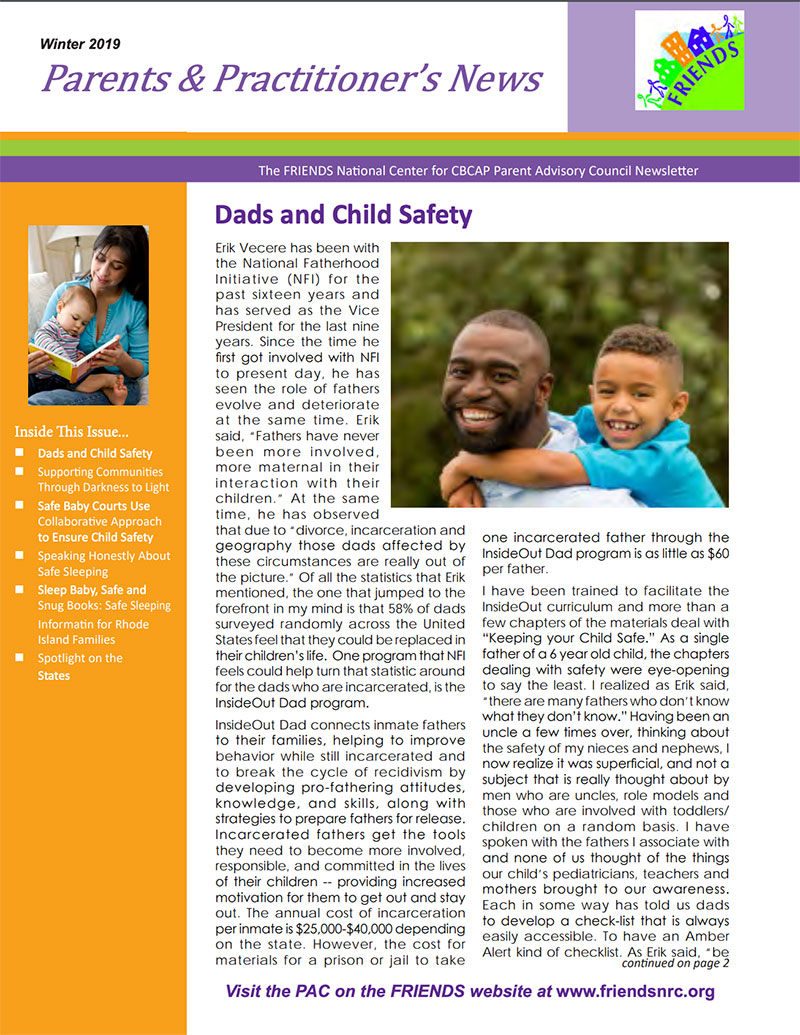
Inside This Issue: Dads and Child Safety Supporting Communities Through Darkness to Light Safe Baby Courts Use Collaborative Approach to Ensure Child Safety Speaking Honestly
This month’s webinar reviews the history of the PFS and the subsequent development of the Protective Factors Survey, 2nd Edition (PFS-2). Presenter: Mallory Rousseau Research
Inside this issue: Stigma-Free Support for Pregnant Moms Using Opioids Seeking Solutions to the Opioid Crisis Through Community Forums Initiative Offers HOPE to those Impacted
Inside this Issue: YMCA Evening Center We Can’t Do It Alone Agencies Working to Ensure Community Safety Act Walking Thru Bullets Recognizing Parent Leaders Safe
Inside This Issue: Domestic Violence and Safety Planning Domestic Violence Affects Everyone October is Domestic Violence Awareness Month
Inside this Issue: Teen Growth and Development Utilizing Primary Prevention Strategies Twice the Opportunity What is New and Coming Soon In the Spotlight CAP Month
A webinar that explores the FRIENDS Program Assessment Tool among other models. Presenters: Samantha Florey National Family Support Network Cailin O’Connor Center for the Study
Inside This Issue: The Miracle of Mindfulness Parent Leadership and Trauma-Informed Practices PAC reflections Parent Leadership Is Important
Inside This Issue: Looking under the Hood of Parent Education programs Why Evidence-based Fatherhood Programs are important for Dads PAC activities
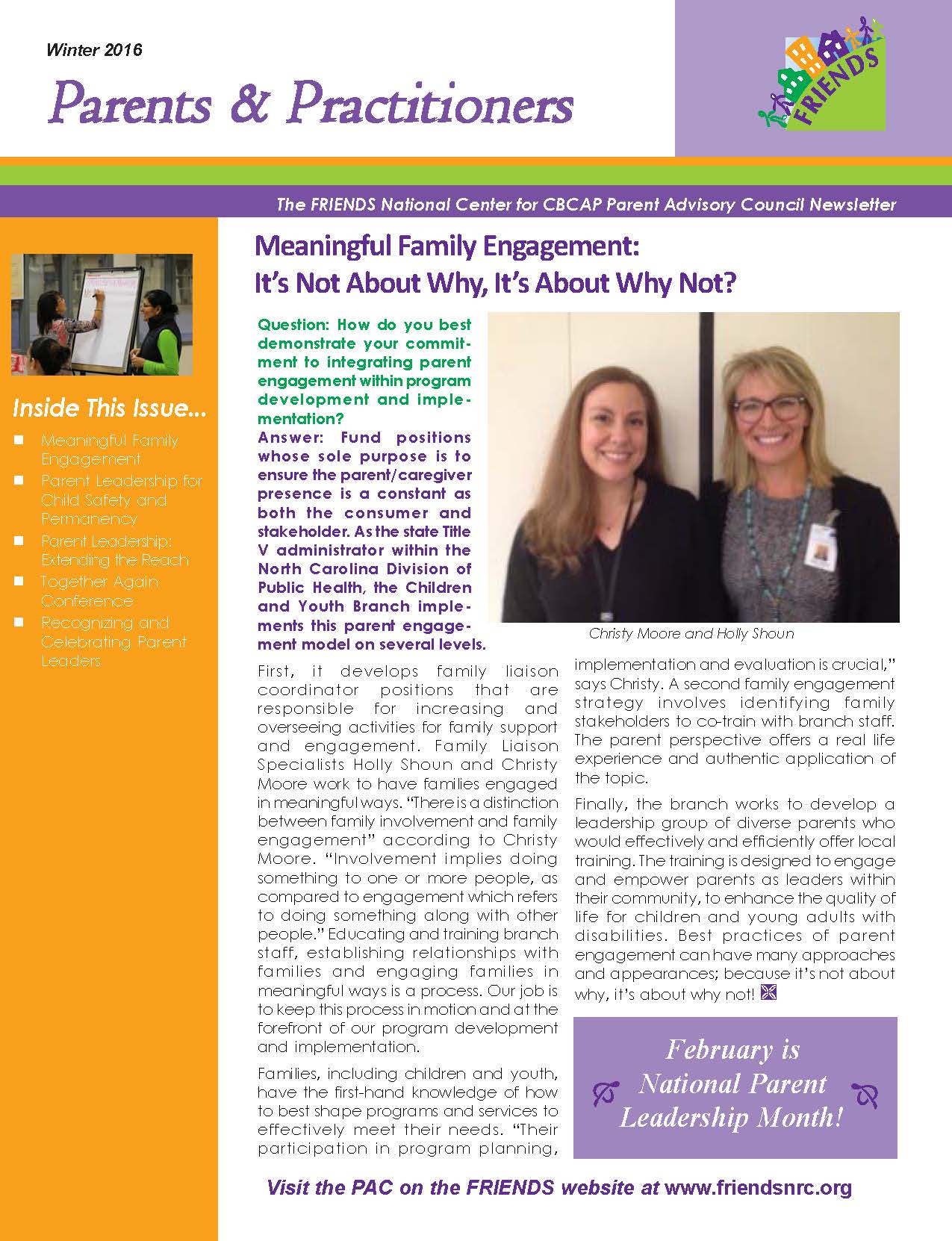
Inside This Issue: Meaningful Family Engagement Parent Leadership for Child Safety and Permanency Parent Leadership: Extending the Reach Recognizing and Celebrating Parent Leaders
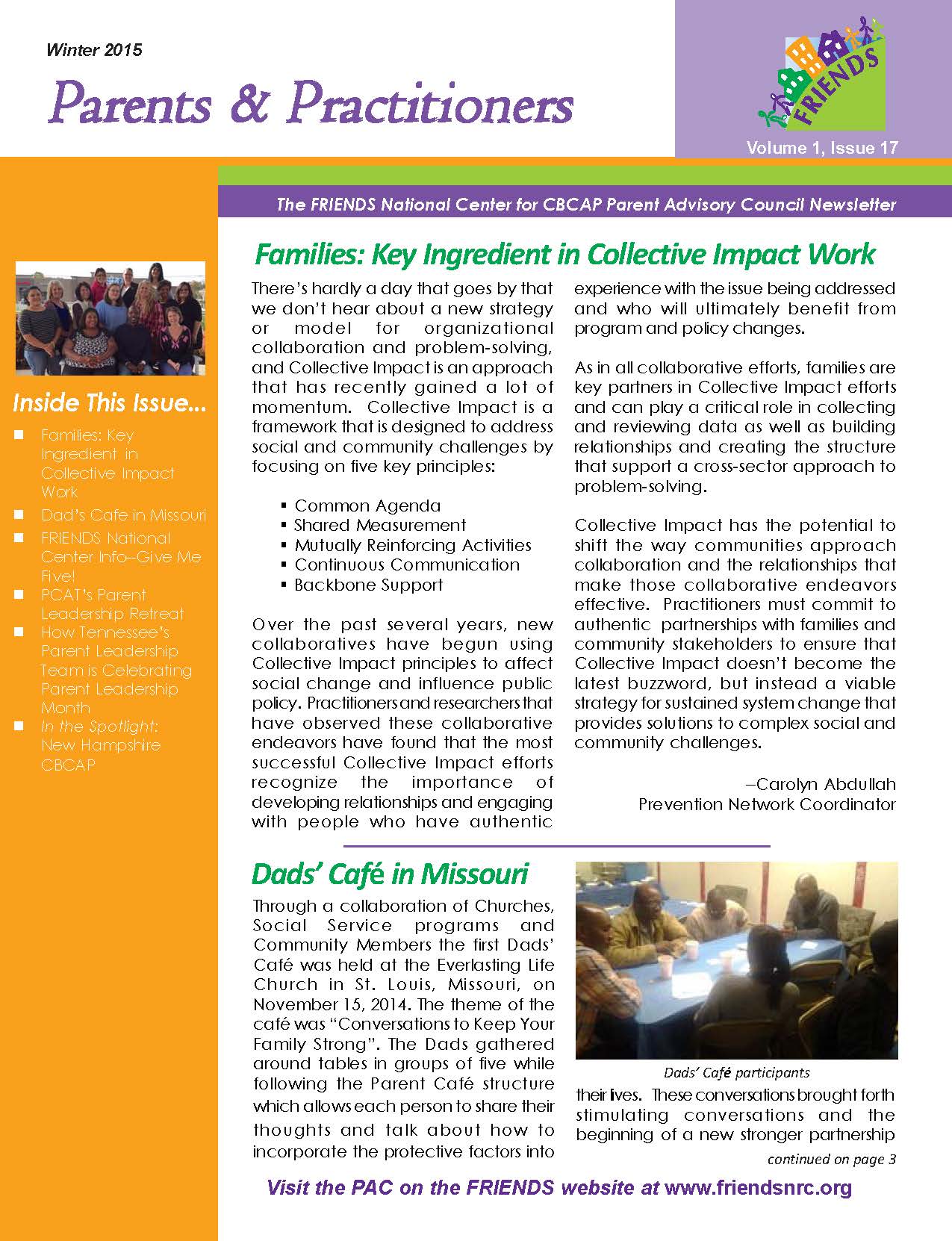
Inside This Issue: Families Key Ingredient in Collective Impact Work Dad’s Cafe in Missouri Tennessee Parent Leadership Team View English Version
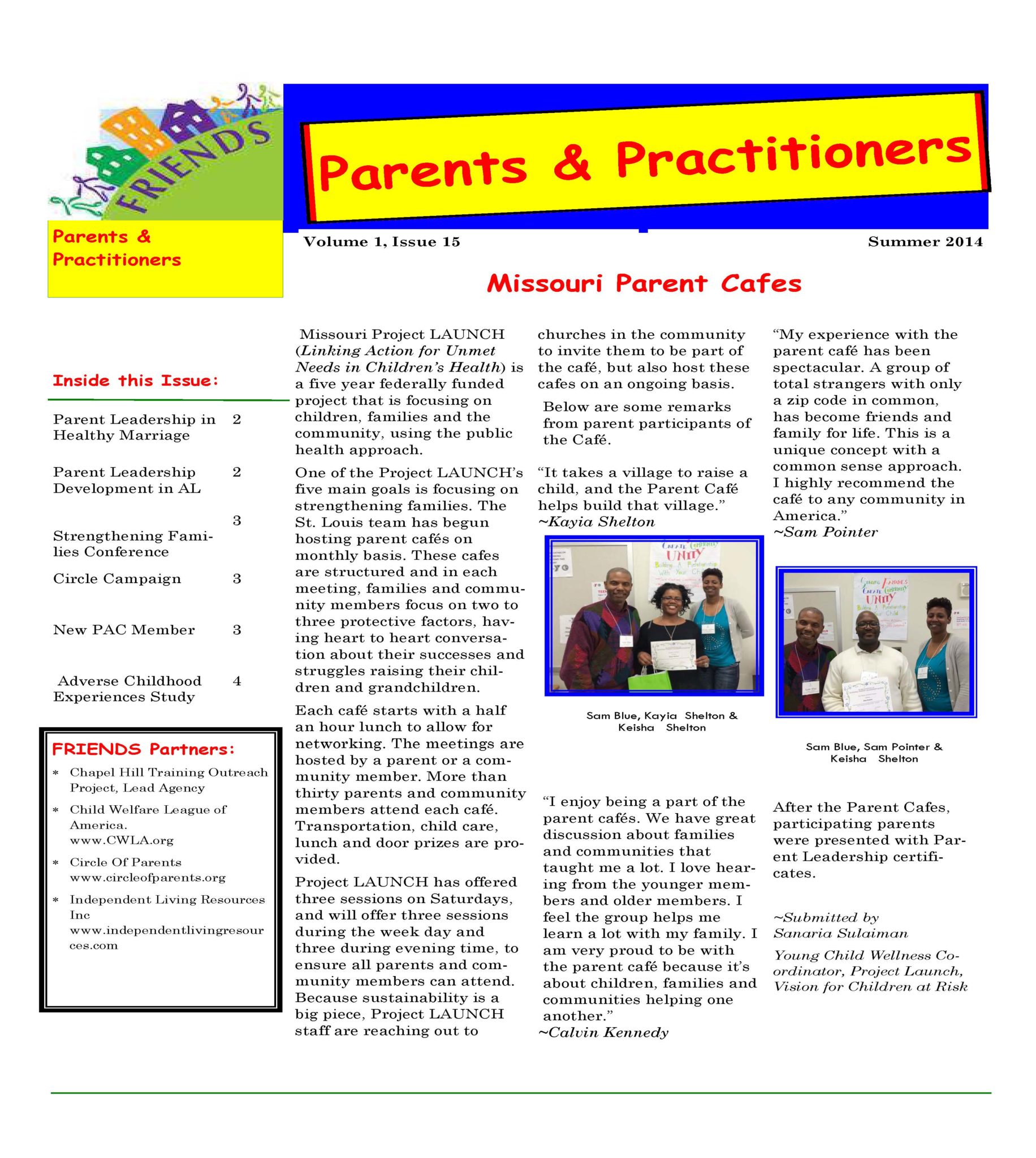
Inside This Issue: Missouri Parent Cafes Parent Leadership in Healthy Marriage Parent Leadership Development ACEs study View English Version
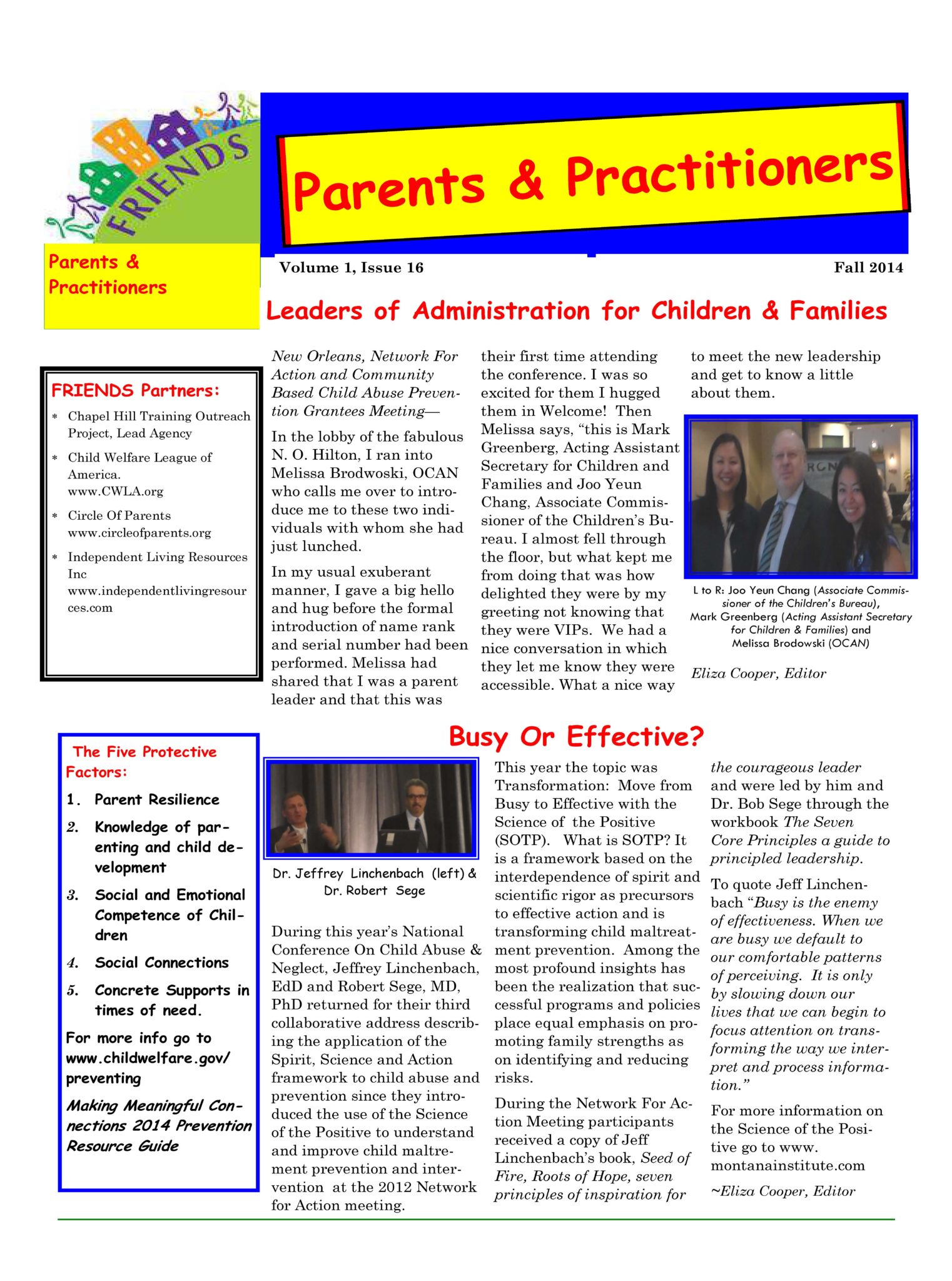
Inside This Issue: Leaders of Administration for Children and Families Busy or Effective? FRIENDS update View English Version
This brief summarizes the EBHV fidelity analysis findings and highlights the key policy and practice implications for policymakers and direct service providers.
Brief on Cost Savings findings from the EBHV initiative.
The final report on the cost analysis of the HV programs utilized in the EBHV initiative.
This final evaluation report brings together findings from all years of the EBHV initiative, drawing on interim reports and briefings and updating results with analyses
Synopsis of findings from the EBHV National Evaluation
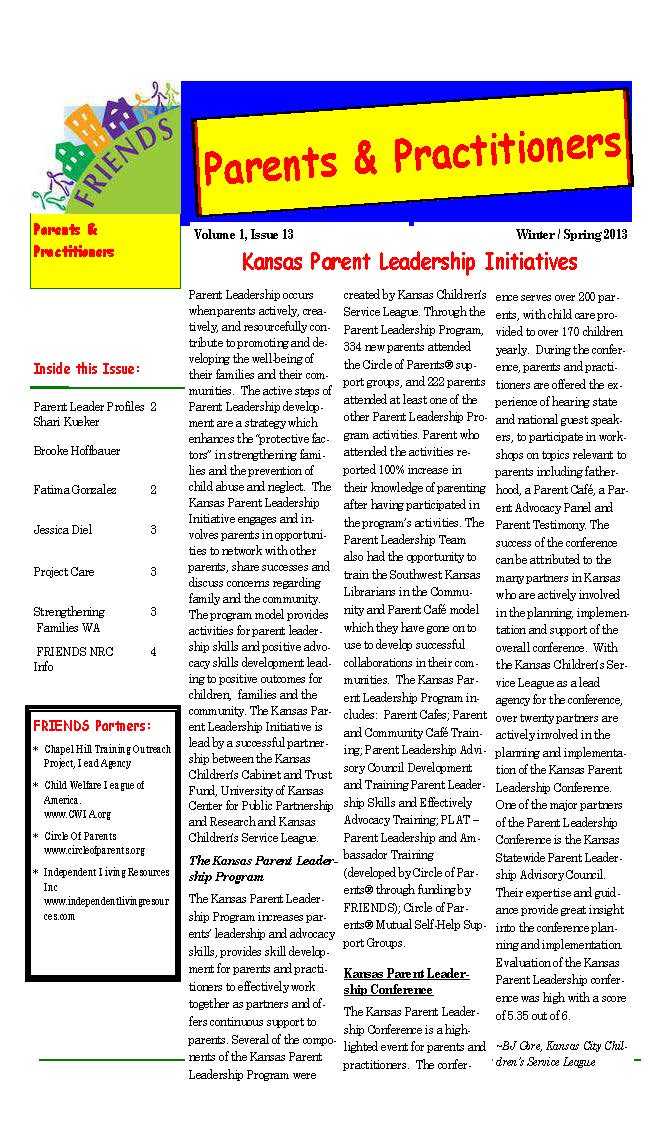
Inside This Issue: Kansas Parent Leadership Initiatives Parent Leader Profiles Project Care Strengthening Families Washington View English Version
This report provides a snapshot of subcontractors’ plans for achieving target outcomes and activities that support the development of infrastructure to implement with fidelity, scale-up,
This report describes the fidelity measurement framework adopted by the cross-site evaluation team and early fidelity outcomes for 44 agencies implementing home visiting services as
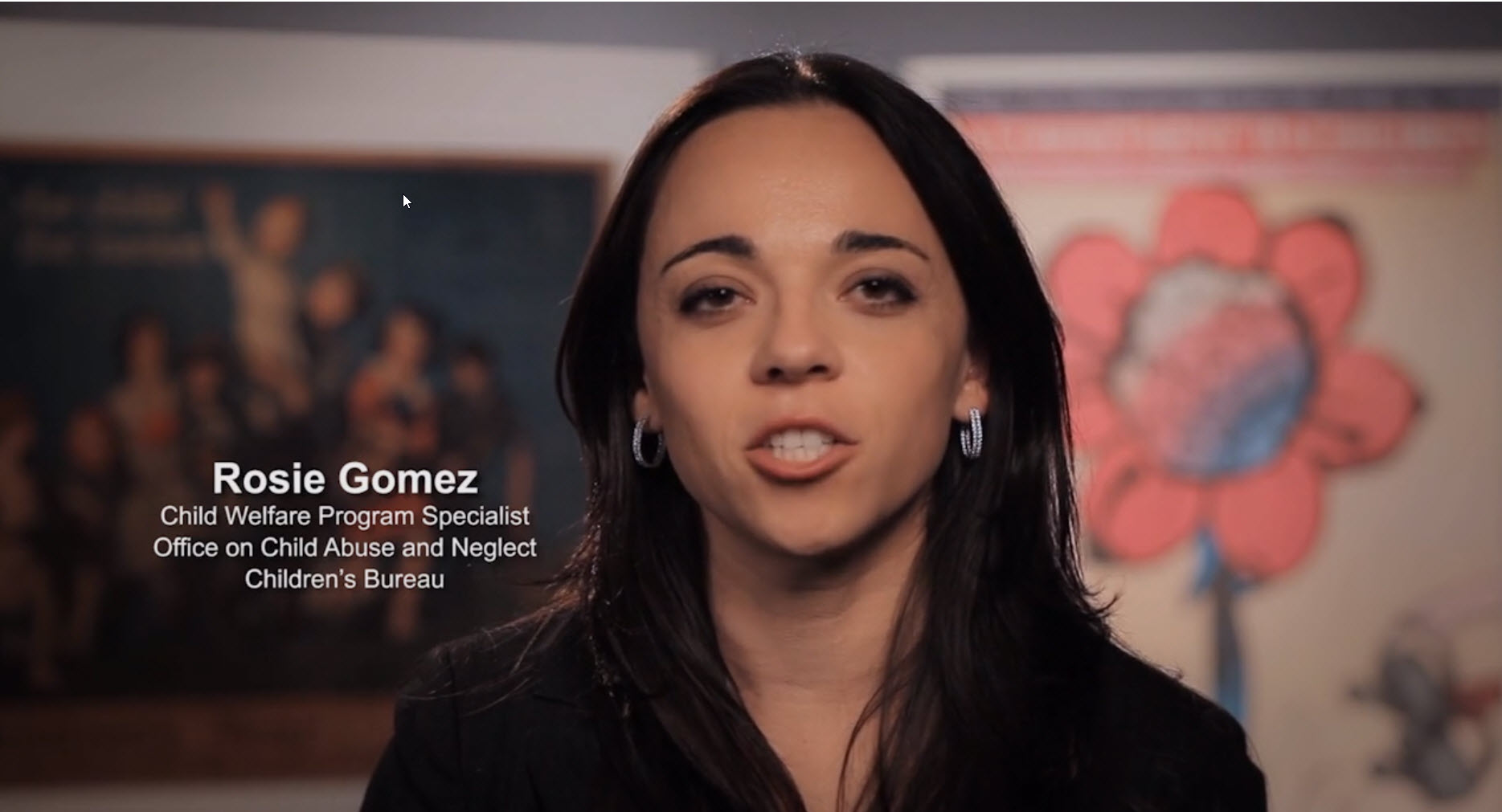
Watch this video produced in 2012 about the CBCAP Program and its work in various states.
The EBHV Cross-Site Evaluation Data Instruments manual is a companion to the EBHV Design Report. It provides the data use collection instruments used in the
The report reviews the purpose of cost analyses and existing literature on the costs of home visiting program models selected by EBHV grantees, describes plans
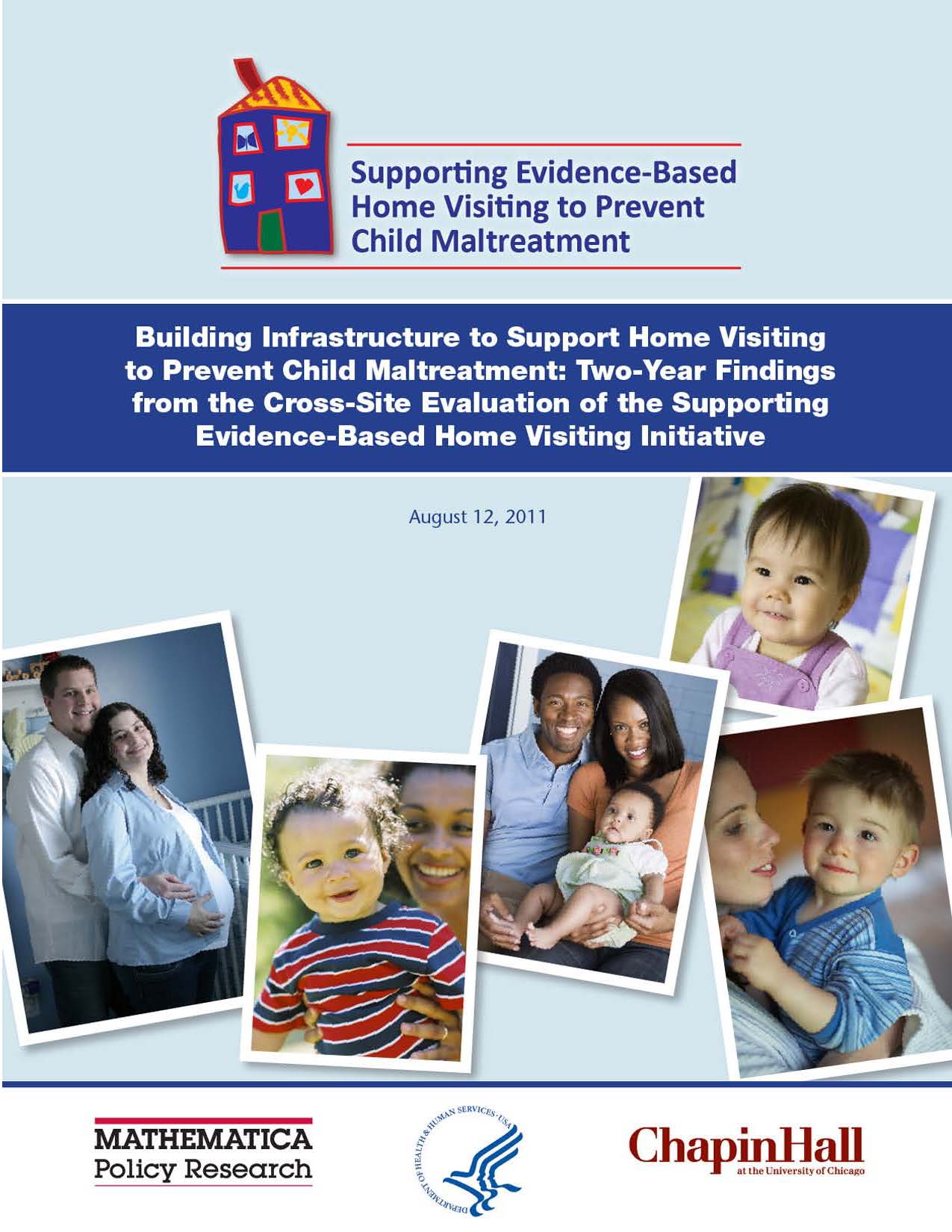
This brief prepared for the Children’s Bureau by Mathematica Policy Research and Chapin Hall at the University of Chicago, shows that states are enthusiastic about
This brief presents a framework for monitoring fidelity to home visiting program models developed as a part of the Supporting Evidence-Based Home Visiting to Prevent
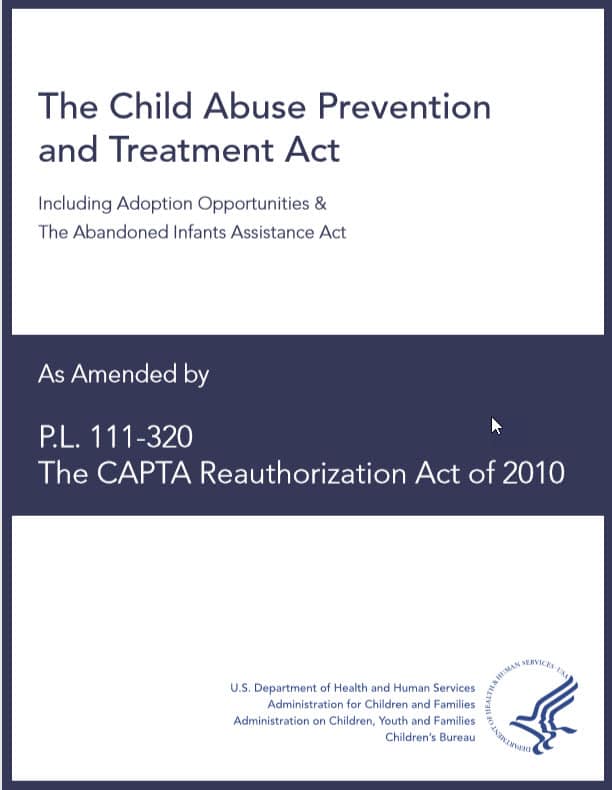
The Child Abuse Prevention and Treatment Act Including Adoption Opportunities & The Abandoned Infants Assistance Act As Amended by P.L. 111-320 The CAPTA Reauthorization Act
This brief summarizes lessons about recruiting and training home visitors for evidence-based programs from grantees participating in the Children’s Bureau’s Supporting Evidence-Based Home Visiting (EBHV)
This brief provides information about how grantees planned the assessments and collected the data, as well as facilitators and barriers to carrying out the assessments.
This document summarizes the key activities conducted during this initial planning year and provides reflections on experiences and lessons learned using a participatory approach to

Access database for use with the Family Support Outcome Survey. Users should also download the ReadMe document that supports the database.